
Charter Yacht.com Guides · Destination · August 2026
The Blue Voyage, done properly
Gulets, Lycian ruins and pine fringed anchorages from Bodrum to Kekova. How to charter the Turquoise Coast, and when to go.
By the Charter Yacht.com team
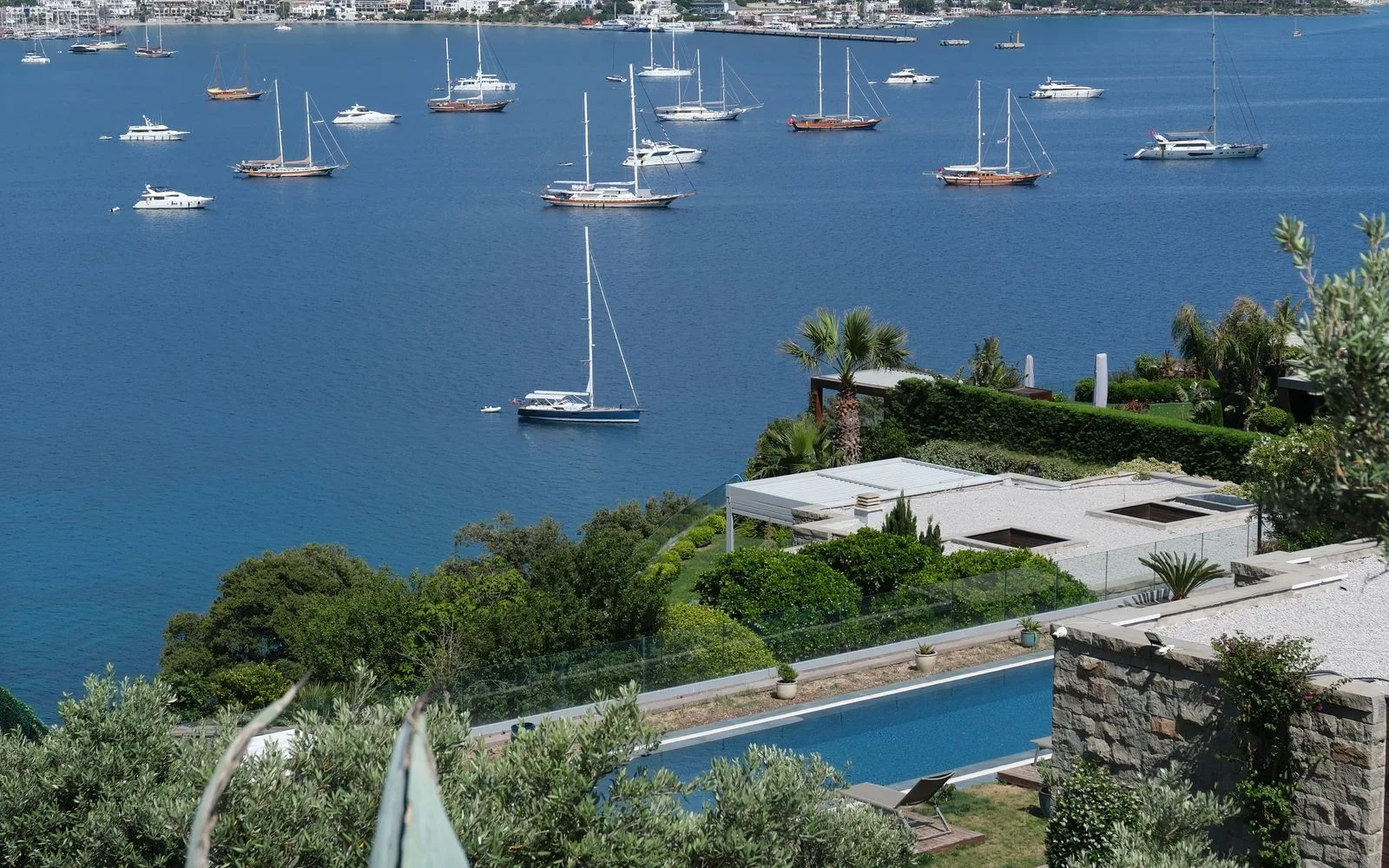
The Turkish coast between Bodrum and Antalya runs for something over five hundred kilometres, and the road touches almost none of it. Pine forest falls straight into water deep enough to anchor a fifty metre yacht a yacht length from the shore, ruined Lycian cities stand above bays with no names on the chart, and the whole coastline remains, outside a handful of harbours in August, astonishingly empty. This is the geography the gulet was invented for, and it is still the most rewarding cruising ground in the eastern Mediterranean, priced a comfortable notch below the Riviera it quietly outclasses.
The Blue Voyage, done properly
The Turks have a name for this kind of travel. The Mavi Yolculuk, the Blue Voyage, was made famous by the writer Cevat Sakir Kabaagacli, exiled to Bodrum in the 1920s, who fell for the place so completely that he spent the rest of his life sailing its gulfs and writing them into Turkish literature. The essentials have not changed in a century. You cruise short distances, anchor early, swim before breakfast and take long lunches under an awning while the yacht swings on the hook. A modern superyacht simply performs the ritual with more comfort and a better cellar. Distances are civilised. Bodrum to the Gulf of Gokova is an afternoon, Gokova to Gocek an easy week, and the full run east to Antalya a generous ten days without a single hard passage.
The bays that matter
The Gulf of Gokova sets the tone, a deep inlet of pine and mirror calm water where English Harbour sheltered Allied gunboats in the Second World War and Sedir Island keeps the small beach where, the story runs, Cleopatra swam. Around the Datca peninsula lies Knidos, an entire ancient city arranged around a harbour you can still anchor in, its amphitheatre looking straight down onto your foredeck. Selimiye and Bozburun are gulet building villages that have barely noticed the past hundred years. Gocek sits inside a bay of twelve islands, the most protected cruising water on the coast, and Fethiye behind it keeps the best market. Furthest east is Kekova, where an earthquake dropped the Lycian town of Simena half into the sea, so the shoreline runs past submerged staircases and door frames to the castle above Kalekoy, a village still reached only by water.
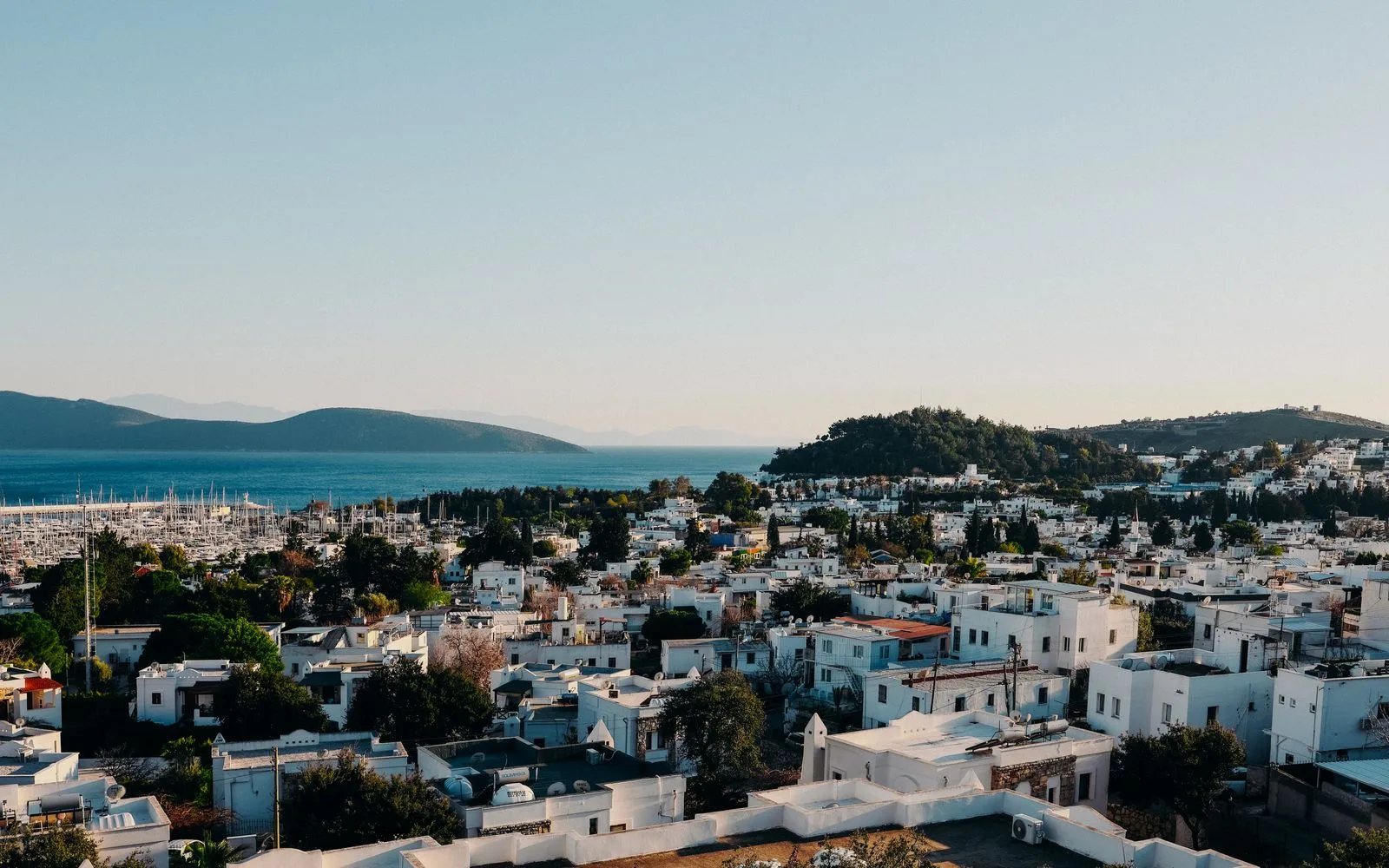
You anchor beneath a Lycian castle, and the loudest thing all evening is the call to prayer drifting across the bay.
Ashore, and at the table
This coast eats better than almost anywhere you can float a yacht. The meze tradition rewards curiosity: smoked aubergine, haydari thick with garlic, samphire dressed in lemon and olive oil, octopus grilled over coals. Cipura and levrek, bream and bass, come off the ice at harbourside lokantas within hours of being landed, and in Bodrum the dish to order is cokertme kebabi, sliced veal over crisp potato and yoghurt. Raki, poured over ice and clouded with water, serves as aperitif and digestif at once. The welcome ashore is genuine rather than performed. Fishing families run the waterfront restaurants, tea arrives unasked, and a chef provisioning at the Fethiye market will come back with figs, Bodrum mandarins and enough honest local advice to replan the week.
Worth leaving the yacht for
Bodrum's Castle of St Peter, built by the Knights of St John in the fifteenth century, houses the Museum of Underwater Archaeology and finds from the Uluburun wreck, a Bronze Age trading vessel more than three thousand years old. From Gocek or Fethiye it is worth a morning to run the tender up the Dalyan river, through reed beds and past the rock tombs Lycian kings cut into the cliff face. Above Oludeniz, the abandoned Greek village of Kayakoy stands roofless and silent on its hillside, one of the strangest and most affecting places on this coast.
When to come
The season runs May to October. May and June bring green hillsides, warming water and empty bays. July and August are hot and, by Turkish standards, busy, though a quiet anchorage is never more than an hour away, and the afternoon meltemi keeps sailors honest in the Aegean approaches. September and October are the connoisseur's months, warm sea, soft light and a charter fleet thinning by the week. The best Turkish yachts and crewed gulets book out by spring, so to hold dates it pays to speak with our charter team early and plan the route around the gulfs you want to yourself.
Take this water
Tell the broker where and when, and we will shortlist the yachts that fit.
Ready when you are