
Charter Yacht.com Guides · Destination · August 2026
Sailing to the end of the world
Glacier Alley, Cape Horn and the granite towers of Torres del Paine. Chartering the far south of Chile, where the wind writes the itinerary.
By the Charter Yacht.com team
The Beagle Channel is named for the little survey brig that carried Charles Darwin through in the 1830s, and the far south has not softened much since. This is the last stretch of the Americas, a maze of channels, ice and wind between the Strait of Magellan and Cape Horn, and it remains the province of genuine expedition yachts. Almost nobody charters here. That is most of the argument for doing it.
An expedition in the strict sense
Chile administers its channels carefully. Foreign yachts work with the Chilean Navy on routing and daily position reports, local pilots join the bridge for much of the channel system, and itineraries are built around weather windows rather than dinner reservations. The famous hazard is wind, the williwaws that spill off the glaciers and hit flat water at full gale in seconds, so anchorages are chosen for shelter and crews run lines ashore as a matter of course. An ice-strengthened hull earns its keep near the glacier fronts. A helicopter transforms the trip, putting the towers of Torres del Paine or a remote estancia lunch within reach of an anchorage a hundred kilometres from any road.
The channels and anchorages that matter
The north west arm of the Beagle Channel is called Glacier Alley for plain reasons, a procession of tidewater glaciers named by European surveyors, Holanda, Italia, Francia, Alemania, Romanche, each dropping to the water in its own style. Pia Glacier offers one of the great anchorages of the south, close enough to hear the ice working. Beyond it, Seno Agostini winds beneath the Cordillera Darwin, an icefield still not fully mapped. Caleta Olla is the classic sheltered stop, and the Strait of Magellan still carries the full weight of its name. Then there is Cape Horn itself, a Chilean lighthouse station on a black headland, where landings are possible more often than legend suggests, given patience and a captain watching the pressure.
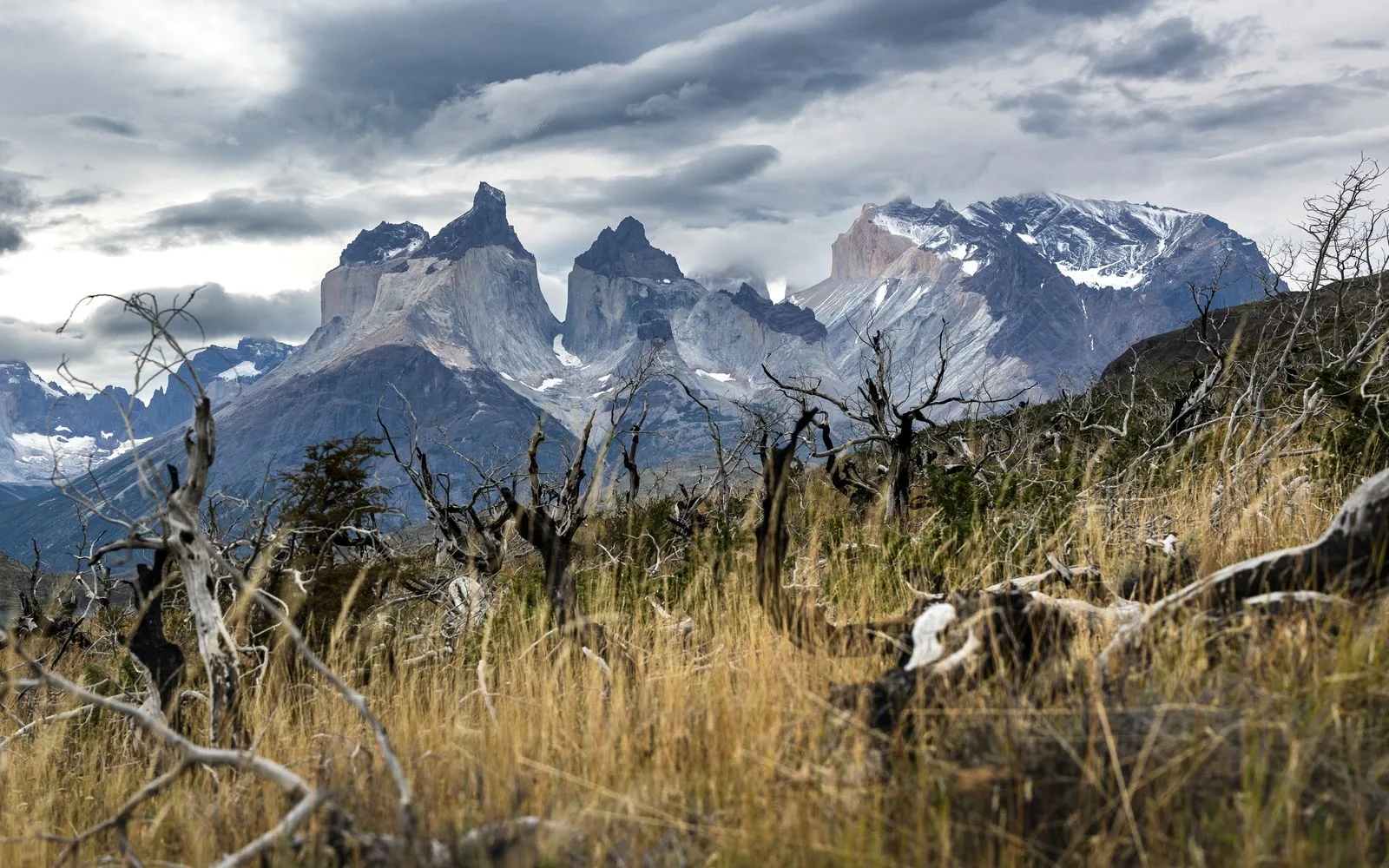
The wind here is not weather, it is geography. You plan around it as you would a mountain range.
Ashore in the far south
Ushuaia and Puerto Williams face each other across the Beagle, the latter now formally the southernmost city in the world, and both are working towns rather than resorts. Punta Arenas, on the Strait, is where most provisioning and crew changes happen. Inland, the estancia culture is intact, sheep stations the size of small nations where lamb is splayed on iron crosses over open fire for asado al palo, and the calafate berry comes with its own promise, eat it and you will return. This is also Yaghan country, the canoe people whose shoreline fires gave Tierra del Fuego, the Land of Fire, its name. The king crab, centolla, pulled from these channels and served the same day in Puerto Williams, is reason enough to anchor twice.
Wildlife, and the towers
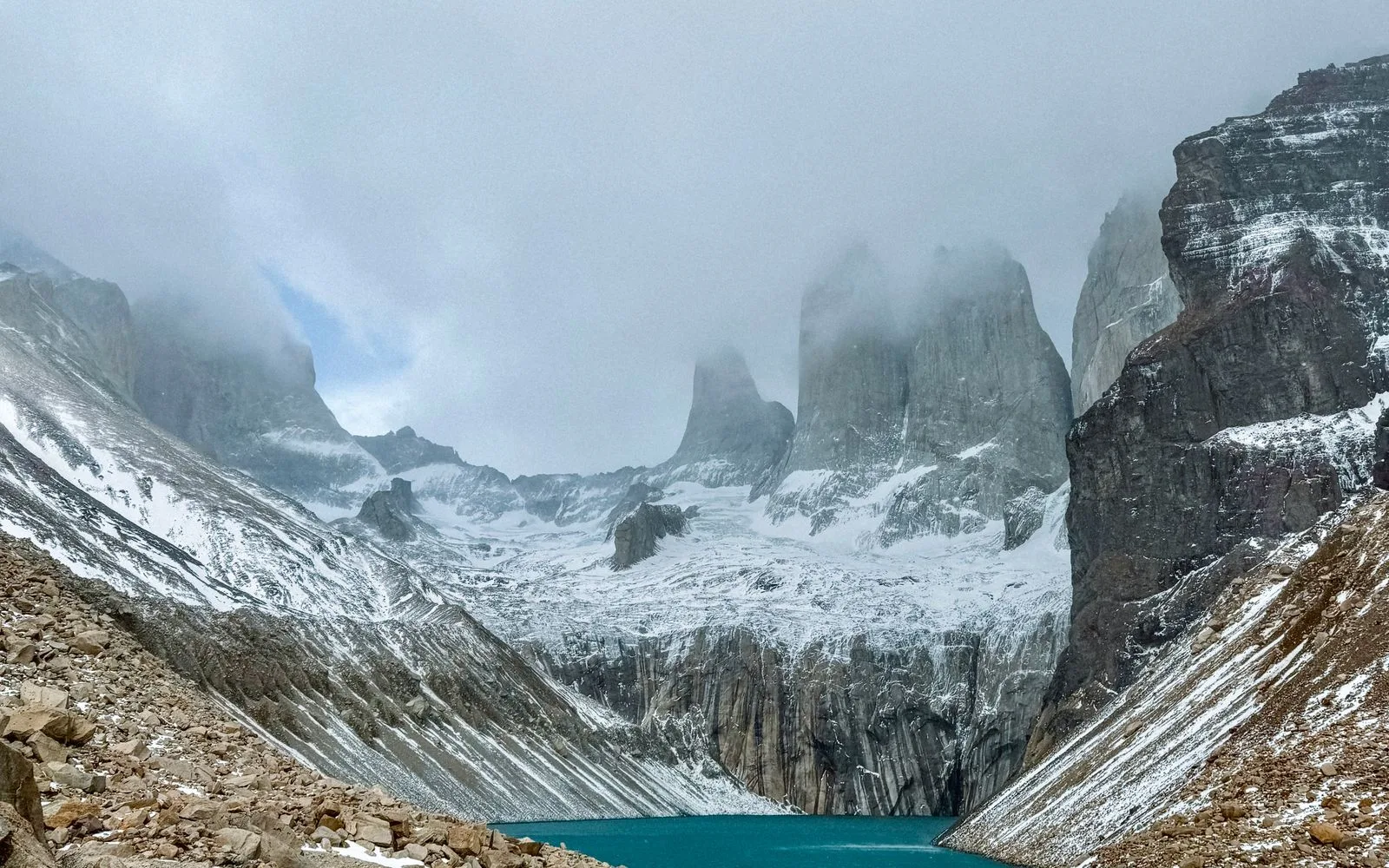
Isla Magdalena in the Strait of Magellan hosts a Magellanic penguin colony in the tens of thousands. Peale's dolphins ride bow waves through the channels, sea lions and fur seals crowd the rookeries, and Andean condors turn on the ridgelines with three metre wingspans. The land excursion that anchors most itineraries is Torres del Paine, reached from Puerto Natales or by helicopter, where guanacos graze beneath the granite towers and the pumas that hunt them are now, with the right trackers, genuinely watchable.
When to come
The season runs October to April. Spring, October and November, brings wildflowers and fresh snow on the peaks. High summer, December and January, has the longest days and, honestly, the strongest wind. February and March are the connoisseur's months, when the wind eases, the lenga forests begin turning red and gold, and the channels are at their most forgiving. Nothing down here rewards improvisation, so the route, the permits and the pilots are arranged well ahead. Begin with a charter conversation a season early, and let the weather keep its proper role as scenery rather than schedule.
Take this water
Tell the broker where and when, and we will shortlist the yachts that fit.
Ready when you are